


Knowledge base

Sunflower Oil Production – From Seeds to Industrial Raw Material
The production of sunflower oil begins at the level of the plant raw material. In industrial production, two main varieties are used: linoleic sunflower (high linoleic acid content, omega-6) and high oleic sunflower (HO), which yields an oil with a dominant oleic acid content and significantly higher thermal stability. Sunflower seeds contain 40–55% fat, making them one of the more productive oilseed raw materials on the European market.
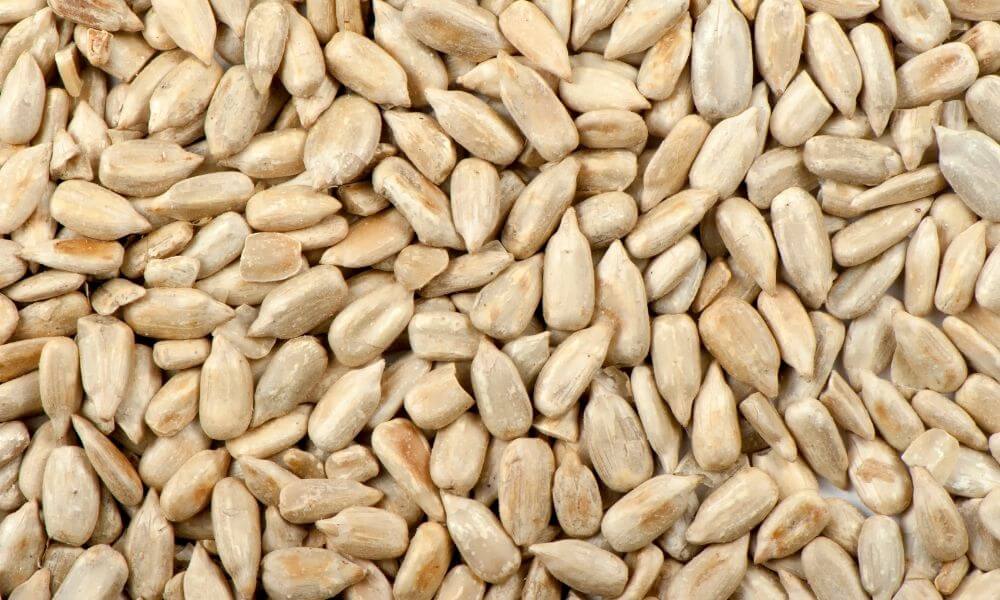
Main stages of sunflower oil production:
- Seed cleaning and drying – removal of mechanical impurities and moisture content adjustment to below 8%
- Dehulling – separation of hulls from the seed kernel to increase process efficiency and reduce wax content in the oil
- Flaking and conditioning – seed crushing and heating to approximately 70–80°C, which increases pressing efficiency
- Pressing (screw press) – mechanical extraction of approximately 60–70% of the oil contained in the seeds
- Solvent extraction (with hexane) – extraction of the remaining fat from the extraction meal
- Desolventisation – removal of hexane from the meal and crude oil by evaporation
- Crude oil refining – the key stage determining the raw material parameters
- Packaging and storage – under conditions protecting against oxidation and light exposure
Cold Pressing vs. Solvent Extraction – What Distinguishes These Methods?
Cold pressing is a method used to produce unrefined oils, most commonly in the premium or specialist segment. Cold-pressed oil retains natural tocopherols, phytosterols, and flavour compounds characteristic of sunflower, but has a significantly shorter shelf life and limited thermal stability. It also contains higher concentrations of phospholipids, waxes, and free fatty acids (FFA), which are deliberately removed in refined oil.
In large-scale industrial production, the standard approach is solvent extraction combined with refining – more economically efficient and enabling full standardisation of the raw material parameters required by the end user.
Sunflower Oil Refining – What It Is and Why It Matters for Raw Material Quality
Sunflower oil refining is a sequence of physicochemical processes aimed at obtaining a raw material with a neutral taste, odour, and colour, controlled free fatty acid (FFA) content, and compliance with food safety requirements. Crude sunflower oil after pressing and extraction contains phospholipids, free fatty acids, pigments (carotenoids, chlorophyll), and aromatic compounds that must be reduced to levels acceptable for a food-grade raw material.
Sunflower oil refining stages and their purpose:
| Stage | Process Name | What Is Removed |
| 1 | Degumming | Hydratable and non-hydratable phospholipids |
| 2 | Neutralisation (alkali refining) | Free fatty acids (FFA) → target: <0.1% |
| 3 | Bleaching | Pigments (bleaching earth, activated carbon) |
| 4 | Dewaxing (winterisation) | Waxes (particularly important for sunflower oil) |
| 5 | Deodorisation | Volatile and aromatic compounds (steam, vacuum, 230–260°C) |
The result of full refining is an oil with a neutral colour, odour, and taste, controlled FFA level (<0.1%), peroxide value (<1 meq O₂/kg), and a consistent fatty acid profile – a prerequisite for raw materials used in industrial food production.

Dewaxing – A Stage Characteristic of Sunflower Oil Production
Sunflower oil naturally contains higher concentrations of waxes (long-chain alcohol esters) than most other vegetable oils. Waxes are responsible for oil clouding at low temperatures, which is significant in applications involving dressings, emulsions, and products stored under refrigerated conditions. The dewaxing (winterisation) process involves cooling the oil to approximately 5–10°C and filtering out the crystallised waxes – this stage is a standard element in the production of refined sunflower oil intended for salad dressing and emulsion applications.
How High Oleic Sunflower Oil Is Made – What Sets It Apart in the Production Process
How high oleic sunflower oil is produced: HOSO – primarily through selection of the input raw material. High oleic sunflower seeds are genetically selected varieties (not genetically modified in the GMO sense), in which oleic acid naturally predominates over linoleic acid. The production process itself – pressing, extraction, refining – follows the same sequence as for standard oil, although parameters at individual stages may differ due to the distinct viscosity and lipid composition of the raw material.
The result is an oil with an oleic acid content exceeding 80%, a smoke point above 220°C, and significantly higher oxidative stability. High oleic sunflower oil (HOSO) is the preferred raw material for technologically demanding frying applications and products with extended shelf life.

Sunflower Oil Producers – Market Overview and B2B Collaboration Models
Sunflower oil producers operate under two principal market models: crushing plants and refineries producing crude or refined oil in bulk (tankers, IBC containers), and companies supplying production-ready oils – standardised, packaged in industrial formats, and accompanied by full raw material documentation.
B2B buyers should distinguish between a sunflower oil producer (an entity with its own crushing and refining facilities) and a distributor or trading intermediary. Both models have their merits – however, the key question is whether the supplier is able to ensure raw material traceability, compliance certificates, and technical support regardless of its organisational structure.
Sunflower Oil Producers in Poland – Characteristics of the Domestic Market
Sunflower oil producers in Poland include both large capital groups with their own raw material base (primarily imported from Ukraine, Russia, and the Balkan countries) and specialised companies focused on industrial packaging and distribution. A sunflower oil producer in Poland serving B2B clients should offer not only the product itself but comprehensive support: HACCP and FSSC documentation, Non-GMO or Organic (BIO) certificates (depending on client requirements), a Certificate of Analysis (CoA) for each batch, and flexibility with regard to delivery formats.
The domestic market is well developed in logistical terms – the availability of oils in formats ranging from pallets (5–20 l bottles, pails, bag-in-box) through IBC containers (1,000 l) to tanker deliveries is standard in the industrial segment.
What to Consider When Selecting a Sunflower Oil Supplier
When selecting a sunflower oil supplier for long-term cooperation, the key evaluation criteria are:
- Certificate of Analysis (CoA) for each batch – fatty acid profile, FFA, peroxide value, smoke point
- Quality and standards certifications: Non-GMO, Organic (BIO), Halal, Kosher – depending on the target market
- Raw material traceability – traceability of seed origin
- Packaging and logistics flexibility – bottles, pails, IBC containers, tankers, bag-in-box on pallets
- Technical support – availability of consultations on raw material selection, production trials, and recipe optimisation
- Lead times and supply reliability – particularly important for continuous production and inventory planning
FAQ – Sunflower Oil Production
What exactly is sunflower oil made from?
Sunflower oil is produced from the seeds of the common sunflower (Helianthus annuus), which contain 40–55% fat. Industrial production uses either linoleic varieties (standard) or high oleic (HO) varieties – the choice of variety determines the final fatty acid profile and technical parameters of the oil.
What is the difference between refined and unrefined sunflower oil?
Refined oil has undergone a full process of degumming, neutralisation, bleaching, winterisation, and deodorisation – it is neutral in taste and odour, has controlled physicochemical parameters, and a long shelf life. Unrefined oil (cold pressed) retains its natural aromas, tocopherols, and phytosterols, but has a shorter shelf life and limited thermal stability, which restricts its industrial applications.
Where does the sunflower used to produce oil in Poland come from?
Poland is not a significant sunflower seed producer – domestic cultivation covers only a fraction of industry requirements. The main import sources for the raw material are Ukraine (the world’s largest producer), Russia, Moldova, Romania, and Bulgaria. The geopolitical situation following 2022 has prompted some domestic processors to diversify their supply chains.
Rafsol Group supplies sunflower oils – both conventional and high oleic – to food manufacturers in Poland and across Europe. We deliver in flexible formats: from pallets to tankers, with full documentation and technical support. Contact us to discuss terms of cooperation.